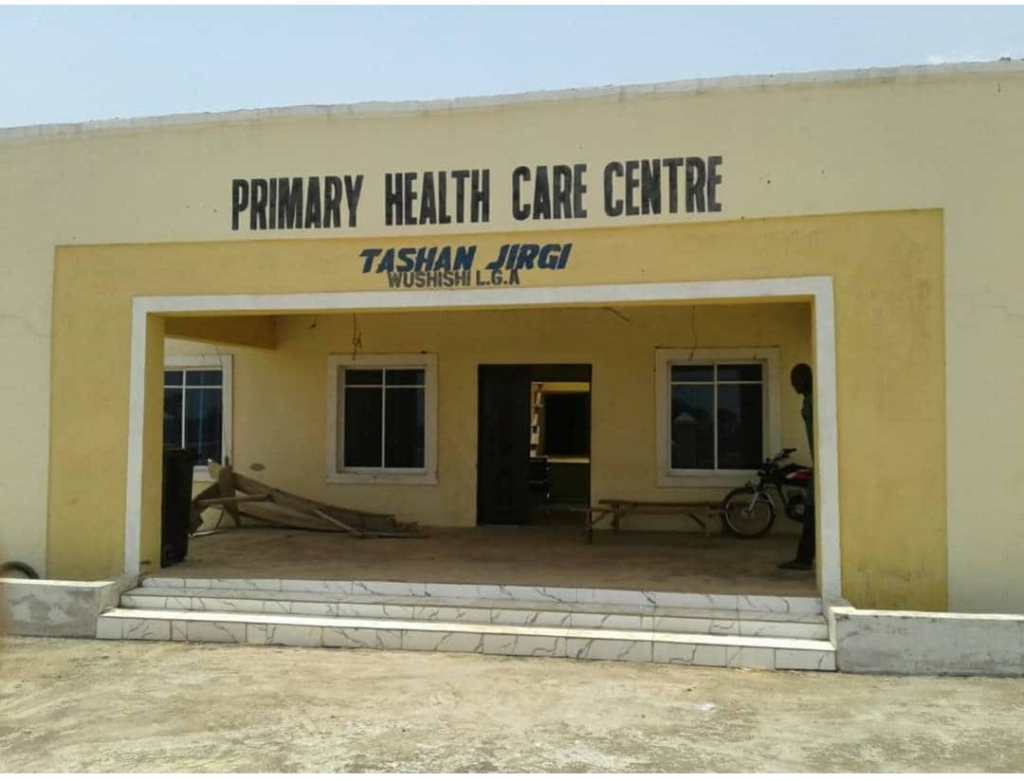
Tashan Jirgi Primary Health Care: Overcoming Obstacles To Effective Service Delivery

Primary Health Care Centre Tasha Jirgi

Despite the PHC’s reopening, residents continue to face major barriers to receiving necessary services, as various unsolved issues exist both within and outside the institution.

“We were delighted when the facility was opened,” said Safiya Anas, a pregnant lady who was admitted to the facility and got medical attention.

“However, it lacked health workers, necessary tools, and drugs.”

She further stated that the road leading to the institution is not secure for pregnant women since bandits frequently block it with dangerous weapons capable of inflicting severe injury.

Even when confronted with mothers carrying children or in labor, these thugs show no mercy.

A resident, Umaru Babati, said he volunteered to act as a gateman at the facility.

However, he has only gotten one stipend in the last 12 months. Babati, the facility’s lone security guard, admitted to being overburdened by his responsibilities.

He requested that the local government body (LGA) assign him a partner or assistance to ease his workload and maintain effective security measures.

According to Safiya Abdullahi, a clinic employee, the facility was developed to alleviate the stress of seeking healthcare for the inhabitants of Tashan Jirgi and other settlements.

It is still lacking in beds and laboratory equipment, and it is understaffed.

“We only have three qualified health workers in this facility, and the beds we use here are the old ones from our previous clinic,” Safiya explained.

However, according to Safiya, the main issue for both employees and patients is insecurity.

“These obstacles really impede effective service delivery,” she bemoaned.

She encouraged the LGA officials and all stakeholders to assist them in guaranteeing security and supplying the facility with necessary tools and pharmaceuticals to improve service delivery.

Tashan Jirgi Primary Health Care Centre (PHC) was built in 2020 by the member of the Federal House of Representatives representing Wushishi LGA and had remained closed and underused since.

The failure of the local government authority to deploy health personnel to operate and manage the institution after its handover was the cause of the facility’s lengthy shutdown.

As a result, pregnant women in the community had to risk crossing a river to get healthcare at another facility.

The LGA has addressed the previous lack of health worker deployment by guaranteeing that health workers are now stationed at the center to provide critical medical care.

Niger State and Wushishi LGA stakeholders should ensure enough staffing and equip the Tashan Jirgi PHC with necessary instruments, medications, and laboratory equipment.

Improve security measures, including addressing road safety issues leading to the institution, and work with community stakeholders to deliver successful services.
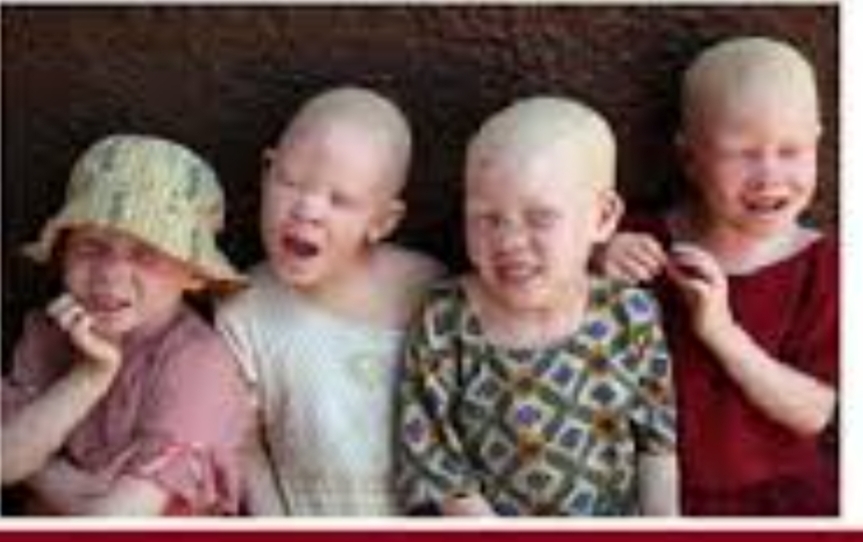
Health: Abino Battles Skin Disease, Suffers Stigma

Nigeria joined the global community on Tuesday to commemorate the 2023 International Albinism Awareness Day, which is observed annually on June 13.

The purpose of the day is to bring attention to human rights issues affecting people with albinism around the world.

According to the UN, this year’s theme, “Inclusion is Strength,” expands on last year’s theme, “United in making our voice heard.”

The subject emphasized the significance of including a diverse range of groups both within and beyond the albinism community.

According to the Albinism Association of Nigeria, about six million Nigerians have the disorder, with Kogi State having the largest number.

According to a 2015 report submitted to the United Nations, the risks of acquiring skin cancer and skin illnesses are exceedingly high, and studies indicate that the majority of people with albinism die from skin cancer between the ages of 30 and 40.

It was reported that this genetic disease is four to five times more widespread in Sub-Saharan Africa than the rest of the globe (in part due to endogamy), with an occurrence of up to one instance per 1,500 people in certain places.

According to the paper, the lack of information on the link between albinism and skin cancer aggravates the situation.

“However, these dramatic consequences are, to a large extent, preventable: simple measures, such as using sunscreen and appropriate clothing, can prevent these cancers,” it added.

People with albinism face two primary health issues: visual impairment and a high vulnerability to skin damage from UV rays, which can lead to skin cancer.

Aside from being stigmatized and discriminated against because of their skin color, the fatal disease has frustrated and crippled their goals and sources of income, leaving them with only painful sores to flaunt.

Nigerians with albinism who have been diagnosed with skin cancer face the prospect of death due to delayed surgery or a lack of therapy due to a lack of funding.

“Superstitions lead to mutilation, dismemberment, organ harvesting, and murder in some countries, including Tanzania.

“Since 2007, numerous organizations have recorded hundreds of assaults in more than 25 countries tied to witchcraft beliefs and practices,” the foundation said.

PWAs face the most discrimination in public areas, according to a demographic and socioeconomic research of people with albinism done in Oyo and Plateau States.

The baseline survey, undertaken by the Albino Foundation in collaboration with the Australian High Commission in Nigeria, was the first version of a baseline survey that was done in six states, including the FCT, in 2018.

It demonstrated that people with disabilities, especially those with albinism, are victimized and lack access to adequate healthcare and emotional assistance.

According to the survey, over 60% of respondents, predominantly albinos, claimed to having encountered some form of discrimination because of their skin color, with Plateau State having 34% and Oyo having 26%.

Banks, hospitals, religious places, schools, villages, towns, offices, public transportation, and relationships with the opposite sex were among the places where respondents experienced discrimination.

Design a site like this with WordPress.com
Get started